

The UK’s leading resin flooring specialist
Why Choose Screed for Underfloor Heating?
Underfloor heating is increasingly popular in commercial buildings across the UK. It’s ideal for energy-efficient warmth and comfort. When you’re installing underfloor heating, the flooring material above it is an equally important consideration. The screeding over underfloor heating is what allows heat to spread evenly across the surface. Your screed floor is a key factor that affects the performance and efficiency of your underfloor heating.
Screed Flooring and Underfloor Heating
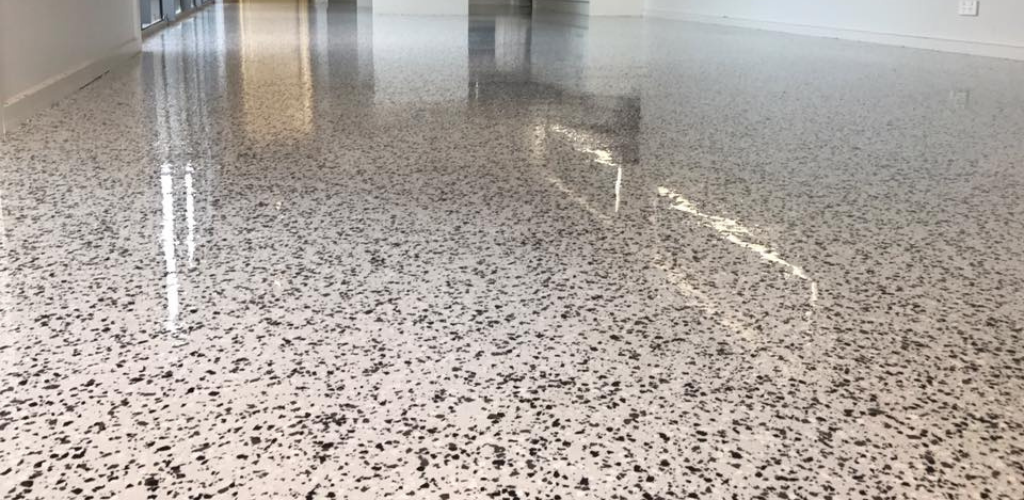
Screed is a thin layer of liquid resin (typically epoxy or polyurethane) combined with aggregates and applied over a concrete substrate to create a smooth, level surface. In underfloor heating applications, screed provides a strong, thermally conductive medium that evenly distributes heat across the floor’s surface.
How underfloor heating systems work
Underfloor heating works by circulating warm water through a network of pipes or by using electric heating elements that are embedded in the floor. The heat radiates upward through the resin screed layer, warming the floor surface and then the room above. Unlike traditional radiators, which create hotspots (and coldspots), underfloor systems deliver heat across the entire area, maintaining a consistent temperature throughout the room.
For that even heat distribution to happen, the system needs an effective thermal conductor between the pipes and the floor finish. That’s what screeding over underfloor heating does – it absorbs and radiates heat upward, ensuring there are no cold patches or uneven temperature gradients across the space.
Benefits of Using Screed for Underfloor Heating
A properly installed resin screed floor ensures your underfloor heating system gives you maximum return on investment by working as efficiently as it should, especially in commercial buildings where consistent temperature control and energy efficiency are priorities. One of the main reasons for using screed is its ability to conduct and distribute heat. When the screed is correctly bonded to the heating pipes, heat travels more effectively through the floor structure – especially because the relatively thin screed layer responds more quickly than thick concrete slabs.
This means the system reaches the target temperature faster and maintains it more consistently (avoiding unnecessary energy use). Quick response times are particularly beneficial in commercial environments where spaces may need to warm up or cool down at set times each day. The screed also ensures there’s minimal heat loss, which reduces your running costs.
Screeding over underfloor heating also provides a protective layer for the pipe network, preventing movement or mechanical damage once the system is operational. A well-laid resin screed is also not going to crack. Screed floors can last 10–20 years because they’re resistant to wear and impact.
Installing Screed Over Underfloor Heating
A resin screed is only as good as the substrate preparation and installation. You have two options when it comes to choosing a screed for underfloor heating:
- Epoxy screeds: Ideal for dry environments, epoxy screeds are very strong and hard-wearing, resistant to chemicals, and easy to clean.
- Polyurethane screeds: Extremely durable and ideal for facilities with strict hygiene demands. Polyurethane floors are slip-resistant and can be steam-cleaned.
Laying the floor screed
Before installation begins, we check that the concrete substrate is clean, level and free from moisture or contamination that could affect the screed’s adhesion. We apply a primer to help the screed bond properly to the base underneath. We check that the heating pipes are fixed in place and pressure-tested before the resin screed is applied to prevent movement or damage during the screeding process. Expansion joints may be installed where necessary.
The resin mix must be poured or trowelled evenly to ensure there are no gaps or air pockets around the pipes. The screed will then need some time to cure before the underfloor heating system is tested – this can take 24 to 72 hours. A slow, controlled heating process helps prevent thermal shock or cracking.
Common pitfalls to avoid
- Poor surface preparation of the concrete substrate can lead to adhesion problems. Any loose material or surface damage will need to be removed or repaired before the screed is installed.
- It’s important that the screed has enough time to cure properly. Turning the heating on too soon or increasing the temperature too quickly can cause moisture in the screed to expand rapidly, leading to cracking.
- Uneven floor thickness can cause issues – if the screed is too thin, it won’t retain heat effectively, and if it’s too thick, it can delay response times.
Working with a specialist installer like Impact Flooring helps avoid these risks.
Screed maintenance and troubleshooting
Once installed, resin screed for underfloor heating requires very little upkeep. Screed maintenance is generally minimal, requiring only regular cleaning. Regular system checks should be carried out to ensure the heating elements are performing as intended, though (i.e. no temperature inconsistencies across the floor). Electric underfloor heating systems don’t need regular servicing, but wet underfloor heating systems do (e.g., checking for leaks).
Screeding Over Underfloor Heating
Upgrading or installing an underfloor heating system is a long-term investment, and the screed plays a major part in how well that investment performs. At Impact Flooring, we’ve installed screeded flooring systems across a wide range of industrial and commercial environments. The combination of quality resin screed and properly designed underfloor heating systems delivers exceptional long-term value.
Our team also understands the technical demands of underfloor heating and how to match them with the correct flooring specification to improve energy efficiency and general comfort. If you’re planning a new project, get in touch with our team to chat about your screed installation.