


Epoxy Floor Installer
Working UK-wide from our base in Nuneaton, we install industrial epoxy flooring systems from 1mm high-build coatings through to 12mm epoxy screeds.
We offer flexible out-of-hours installation around live production to ensure your facility experiences zero downtime. Industrial and commercial resin flooring has been our only trade since 2000, across manufacturing, warehousing, food production, laboratories, engineering and logistics. Our customers rate us 4.7 out of 5 across 20 reviews on Google.


Impact Flooring is a member of FeRFA, the Resin Flooring Association, and is SafeContractor approved. Every epoxy floor we install is specified against the FeRFA type classifications and laid by our own in-house technicians.
What is Epoxy Flooring?

Epoxy flooring is a high-performance resin flooring system designed to eliminate floor failure, protect concrete substrates and keep your operation running without disruption.
Installed by a professional epoxy floor installer, epoxy forms a permanent bond with the concrete beneath it. This creates a seamless, reinforced surface that can handle heavy loads, constant traffic and exposure to chemicals.
For warehouse and factory managers, epoxy flooring can reduce risk across your entire operation.
A correctly installed system prevents the most common causes of operational disruption:
- Cracking and surface breakdown under heavy machinery
- Concrete dust contaminating products and equipment
- Chemical ingress weakening the substrate over time
- Ongoing repairs that lead to downtime and loss of productivity
Unlike coatings that wear away and require frequent patching, epoxy becomes part of the structure of your floor. This creates a stable, long-term flooring solution that protects the underlying concrete and removes the need for constant maintenance.
Every system installed by our experienced epoxy flooring specialists is built in layers to deliver consistent performance:
- Primer coat: Ensures strong adhesion between concrete and resin
- Build coats: Adds strength, thickness and impact resistance
- Performance topcoat: Provides chemical resistance, slip resistance or aesthetic finish
Whether you are a manufacturing plant, warehouse, food production facility, laboratory, engineering workshop or logistics centre, the result is a floor that actively supports your operation, reduces unplanned downtime and extends the life of your facility for years to come.
Why Epoxy Floors?
When you are responsible for keeping a facility running, it is vital that you choose a flooring solution that will reduce problems, rather than creating them.
Epoxy flooring is a popular choice as it removes common operational risks, from downtime and maintenance costs to safety issues and failed audits.
Here is what that means for your business:

Handles heavy traffic without costly damage
Built for forklifts, pallet trucks and machinery, epoxy floors resist cracking and wear. Their smooth, even surface also reduces vibration, helping to lower wear and tear on forklift tyres, wheels and components, cutting maintenance costs over time.
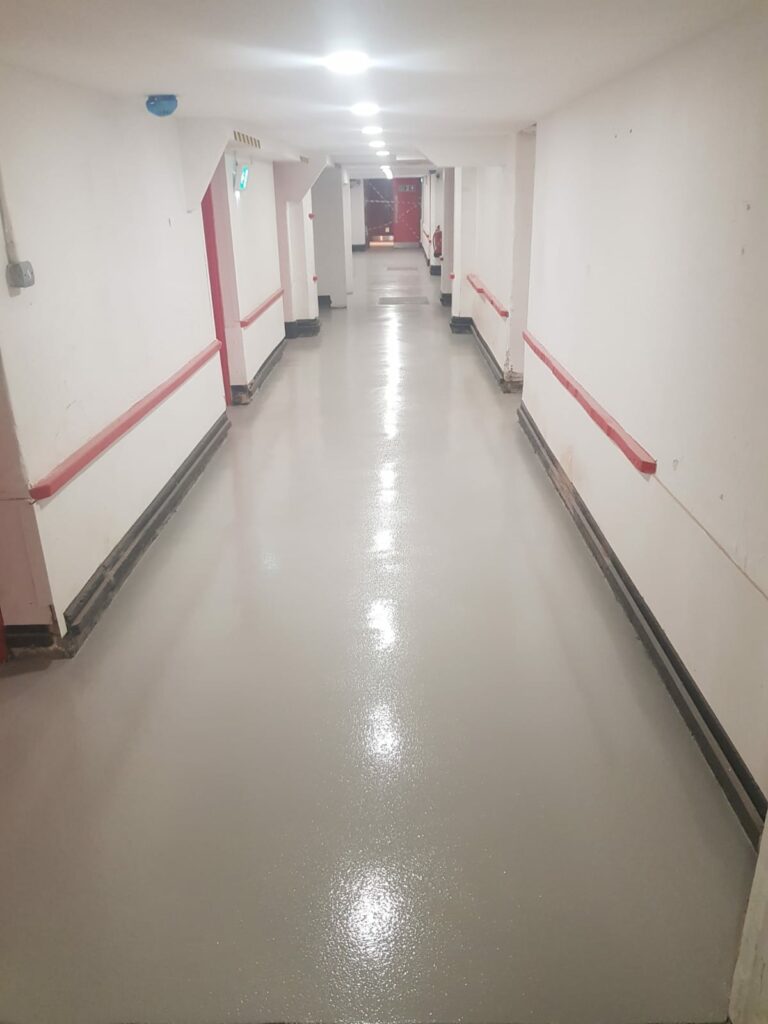
Supports hygiene and audit compliance
The seamless, non-porous finish of epoxy eliminates gaps and joints where dirt and bacteria build up. This makes cleaning faster and more effective, helping you maintain standards and pass inspections with confidence.
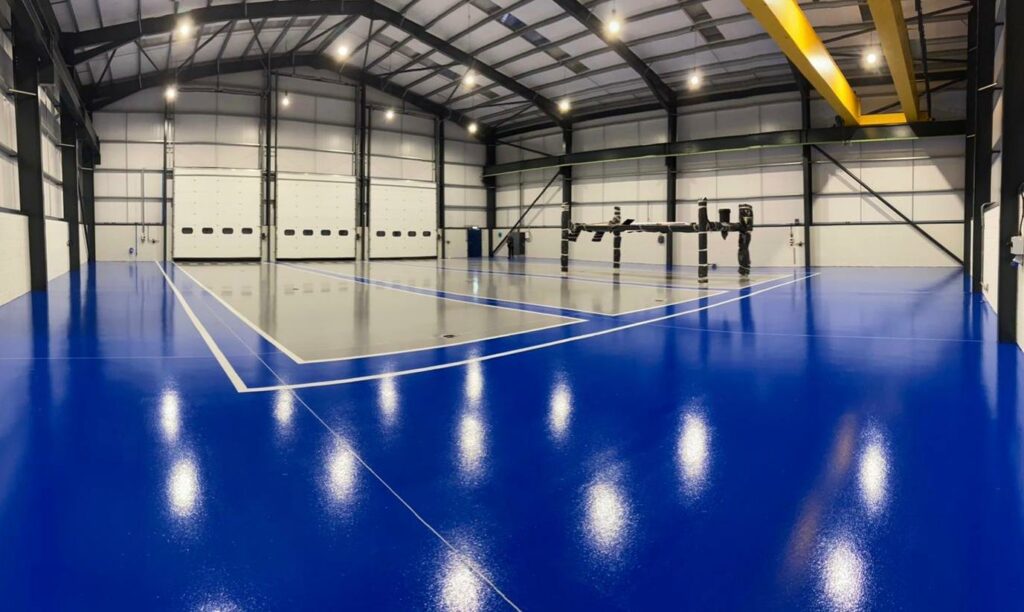
Protects against chemicals and daily wear
Oils, solvents and cleaning agents will not break down the surface of epoxy flooring. This prevents gradual damage that can lead to expensive repairs or premature floor replacement.
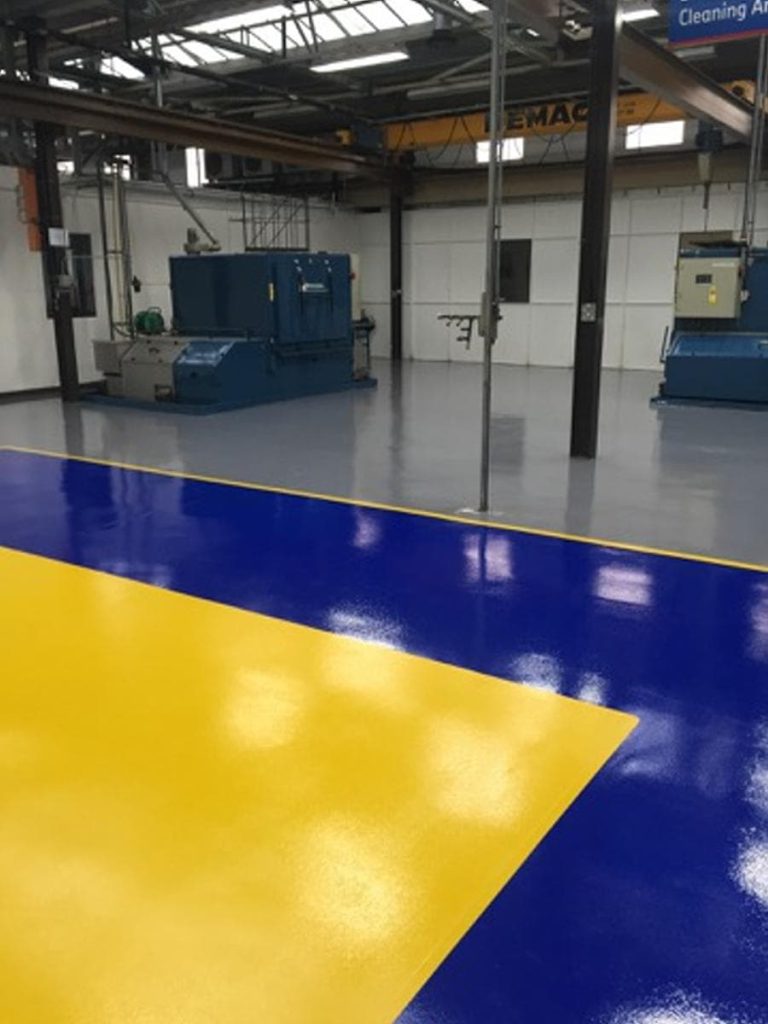
Improves safety and workflow
Anti-slip finishes, line markings and colour-coded zones help reduce accidents, organise movement and keep operations efficient.
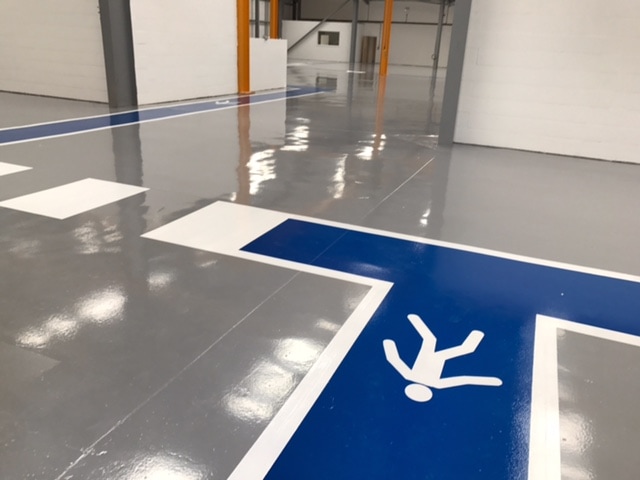
Reduces long-term costs and disruption
By preventing damage and minimising maintenance, epoxy flooring helps avoid unplanned downtime, reduce repair spend and extend the life of your concrete floor.
The Benefits of Epoxy Flooring Specialist Services
Epoxy flooring delivers a combination of durability, hygiene and operational efficiency that few other flooring systems can match.
Long-term durability
When installed by a skilled epoxy flooring specialist, epoxy floors are built to withstand demanding environments. Their cross-linked polymer structure provides excellent impact resistance, abrasion resistance and shock absorption, meaning dropped tools, heavy equipment movement and constant traffic are far less likely to damage the surface.
Many epoxy systems have lifespans of 10 to 20 years, depending on traffic levels and environmental exposure.
High-performance flooring with a professional finish
Although epoxy flooring is engineered primarily for performance, it also provides a clean and professional appearance.
Facilities can choose from a wide range of finishes, including:
- Smooth floor coatings
- Anti-slip textured profiles
- Decorative finishes
- Colour-coded operational zones
- Branding elements
These finishes can improve both workplace safety and visual clarity within industrial spaces of all sizes.
Low maintenance
One of the major advantages of epoxy flooring is its low maintenance requirements. Because the surface is seamless and non-porous, it:
- Prevents dusting from exposed concrete
- Resists staining from oils and chemicals
- Simplifies routine cleaning
This makes epoxy systems ideal for environments with strict hygiene standards or heavy cleaning schedules.
The Epoxy Flooring Installation Process
Installing epoxy flooring in a live industrial environment requires planning, coordination and an understanding of how your operation runs.
As an experienced epoxy flooring installer, we structure every project to minimise disruption, reduce downtime and keep your facility operational wherever possible, including out-of-hours working and phased installations.
Every project completed by our epoxy floor specialists follows a structured process:
Phase 1: Diagnostics
- Site and condition assessment
- Moisture testing and substrate evaluation
- Identification of cracks or surface damage
This ensures that we specify the correct epoxy system for the environment, avoiding failures, delays or costly rework later.
Phase 2: Preparation
Mechanical floor preparation is a non-negotiable step in every installation. Methods such as shot-blasting or diamond grinding remove contaminants and create the correct surface profile for resin bonding.
Preparation also includes:
- Crack repairs
- Joint treatment
- Levelling uneven surfaces
We often phase this stage to limit disruption to key operational zones.
Phase 3: Priming
A specialist epoxy primer is applied to seal the concrete and create a strong bond between the substrate and the flooring system. This step is scheduled efficiently to keep the project moving without unnecessary delays.
Phase 4: Application
The main epoxy layers are installed to build thickness and strength. Depending on the system, this may involve:
- Self-smoothing epoxy layers
- Heavy-duty epoxy screeds
- Anti-slip systems
Each layer is applied with precision to achieve consistent performance. Work will often be phased or timed around your operational schedule to maintain productivity.
Phase 5: Curing
The system is left to cure before the floor becomes operational. Typical curing times range from 24 to 72 hours, although rapid-cure options can shorten this window in some instances. We plan curing around your workflow, ensuring areas are returned to service as quickly and safely as possible.
The result is a controlled, professional installation that delivers long-term performance without unnecessary short-term disruption.

The Types of Epoxy Flooring Systems
Different environments require different resin systems. A qualified epoxy flooring specialist will select the correct system based on traffic levels, hygiene needs and chemical exposure – as well as installation speed, ensuring long-term reliability with minimal disruption.
Common epoxy flooring systems include:
- High-build epoxy coatings: Medium-duty coatings that protect concrete surfaces from wear and contamination.
- Epoxy screeds: Heavy-duty systems designed for extreme environments such as manufacturing plants and heavy engineering facilities.
- Self-smoothing epoxy floors: Seamless systems commonly used in hygienic environments such as food production and laboratories.
- Anti-slip epoxy systems: Specially textured floors designed to increase traction in wet or hazardous areas.
Chemical-resistant epoxy: Formulated to resist oils, solvents, acids and aggressive cleaning agents.
| Epoxy System | Thickness | Traffic | Primary Environment | FeRFA type |
|---|---|---|---|---|
| High-build coating | 1-2mm | Light-Medium | Warehouses, retail | Type 3 – High Build Floor Coating |
| Self-smoothing epoxy | 2-4mm | Medium-Heavy | Food production, laboratories | Type 5 – Flow Applied Flooring |
| Anti-slip epoxy | 3-5mm | Heavy | Wet processing areas | Type 7 – Heavy-Duty Flowable |
| Chemical-resistant epoxy | 3-6mm | Heavy | Chemical processing | Type 7 – Heavy-Duty Flowable |
| Epoxy screed | 6-12mm | Extra Heavy | Manufacturing, engineering | Type 8 – Heavy-Duty Screed |
How Fast Can Epoxy Flooring Be Installed?
For most facilities, the biggest concern will be how long operations will be disrupted while the epoxy flooring system is installed.
As an experienced epoxy flooring installer, we specialise in delivering projects with minimal downtime, using advanced rapid-cure epoxy systems that can return areas to full operation in as little as 24 hours.
This means you do not have to choose between replacing your floor and keeping your business running.
By combining the right system with careful planning, phased installation and out-of-hours working, our skilled epoxy flooring specialists can complete projects quickly and efficiently, avoiding unnecessary shutdowns.
Why Choose Impact Flooring for Epoxy Flooring Installation?
With more than 25 years of experience, Impact Flooring has built a reputation for delivering reliable, high-performance resin flooring solutions across industrial and commercial sectors. Our clients range from major manufacturers to single-unit local businesses, and include Rolls-Royce, Tesla and Muller Wiseman. Our published case studies set out the work in full at Stadco, Folkes Holdings and TBS Engineering – the system installed, the site conditions and how the floor was laid around production.
Every project is handled in-house by experienced technicians, ensuring consistent quality from the initial inspection through to the final installation. Our team works to strict preparation standards, using professional mechanical preparation methods to guarantee strong adhesion and long-term durability.
As a trusted epoxy floor installer, we understand that flooring upgrades must work around operational schedules. That’s why we offer flexible installation planning, phased project delivery and rapid-cure systems where required, allowing for upgrades with minimal disruption.

Ready to Upgrade Your Floors? Contact Our Epoxy Floor Installers
If you’re planning a flooring upgrade and want a durable, high-performance epoxy system installed by specialists, our team is ready to help.
If you are looking for an experienced epoxy flooring specialist to specify the right flooring system for your environment and ensure your investment delivers long-term value, contact us for advice tailored to your facility.
Epoxy Flooring FAQs
Do you specialise in industrial epoxy flooring systems?
Yes. Industrial and commercial resin flooring is the only work we do, and we have been doing it since 2000. We install five epoxy systems – high-build coatings, self-smoothing epoxy, epoxy screeds, anti-slip epoxy and chemical-resistant epoxy – from 1mm to 12mm, specified to the traffic, hygiene, and chemical demands of each site. Every project is surveyed, prepared, and installed by our own technicians, using our own preparation equipment.
What accreditations do your epoxy flooring installers hold?
We are a member of FeRFA, the Resin Flooring Association, and are SafeContractor approved. FeRFA is the UK trade association for resin flooring, and its type classifications are the standard our systems are specified against. Furthermore, our dedication to excellence is borne out by our achievement of the highest quality and environmental accreditations within the field, including ISO 9001 and ISO 14001.
What environments are best suited to epoxy flooring?
Epoxy flooring performs exceptionally well in demanding industrial environments such as warehouses, manufacturing plants, logistics hubs, engineering facilities, food production areas, laboratories and pharmaceutical environments.
Does epoxy flooring help reduce wear on forklifts and other vehicles?
Yes. Smooth epoxy surfaces reduce vibration and friction during movement, which helps minimise wear on wheels, suspension components and handling equipment.
How does epoxy flooring protect the concrete substrate underneath?
Epoxy systems seal the concrete surface and reinforce it with a protective resin layer. This prevents moisture penetration, chemical attack and mechanical wear, extending the life of the underlying concrete.
Are epoxy floors resistant to chemicals, oils and regular cleaning agents?
Yes. Industrial epoxy flooring is highly resistant to oils, solvents, acids and cleaning chemicals, making it ideal for facilities with strict hygiene and maintenance routines.
Can epoxy floors be customised with colours, line markings or safety zones?
Absolutely. Epoxy flooring systems can incorporate colour-coded areas, safety walkways, forklift lanes, hazard markings and anti-slip finishes to improve operational safety and organisation. They can also be tailored to incorporate an organisation’s branding.
How long does an epoxy floor typically last with regular use?
When installed by a professional epoxy floor installer, epoxy flooring typically lasts 10 to 20 years, depending on traffic levels, maintenance routines and environmental exposure.
Choose a Colour That Fits Your Space
Epoxy floors take colour better than almost any other industrial finish, which is why so many clients treat it as a branding opportunity rather than an afterthought. Standard shades cover most warehouses and production floors, but if you need to match a corporate colour or a health and safety zoning scheme, we’ll manufacture the resin to any RAL or BS reference. Ask us for a sample before you commit, because colour reads differently under warehouse lighting than it does on a swatch.

Graphite

Slate

Steel

Platinum

Lincoln

Carmine

Coleman

Bondi
Where We Install Epoxy Flooring
Our own teams travel to site from our base at Impact House in Nuneaton, Warwickshire, and we install epoxy flooring across the whole of the UK, including:
Case Studies

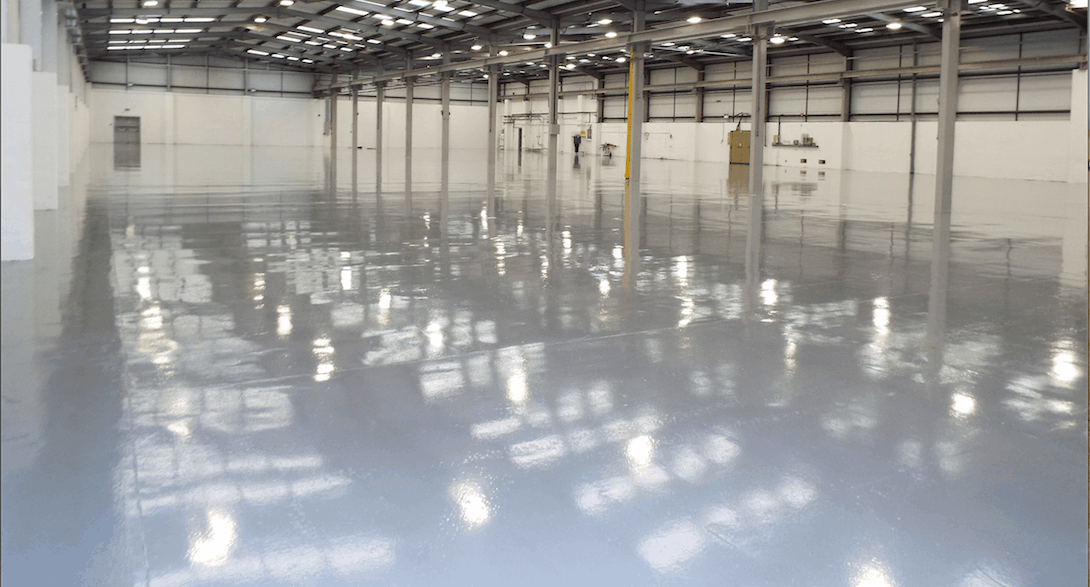
Stadco
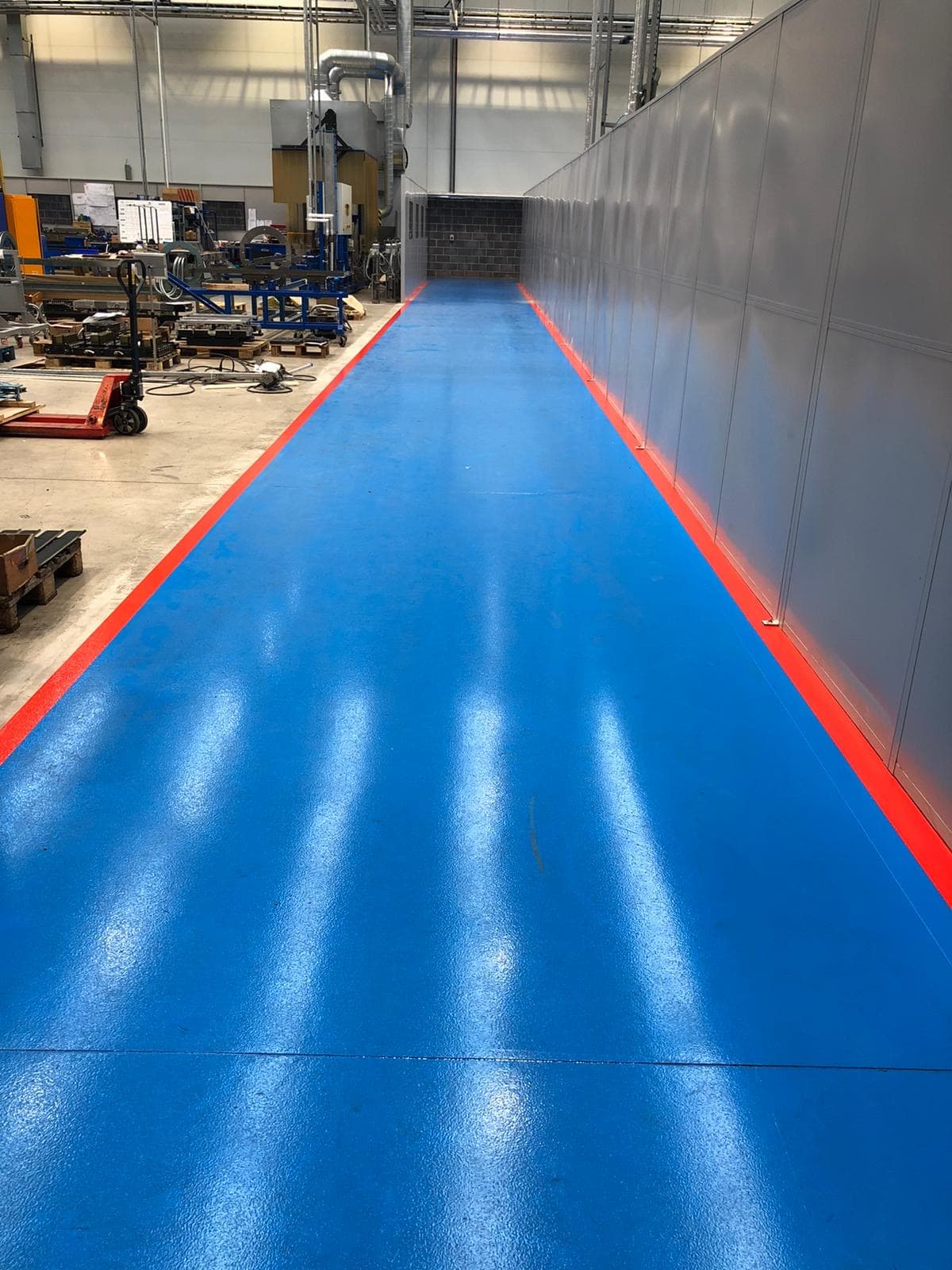
Folkes Holdings Ltd
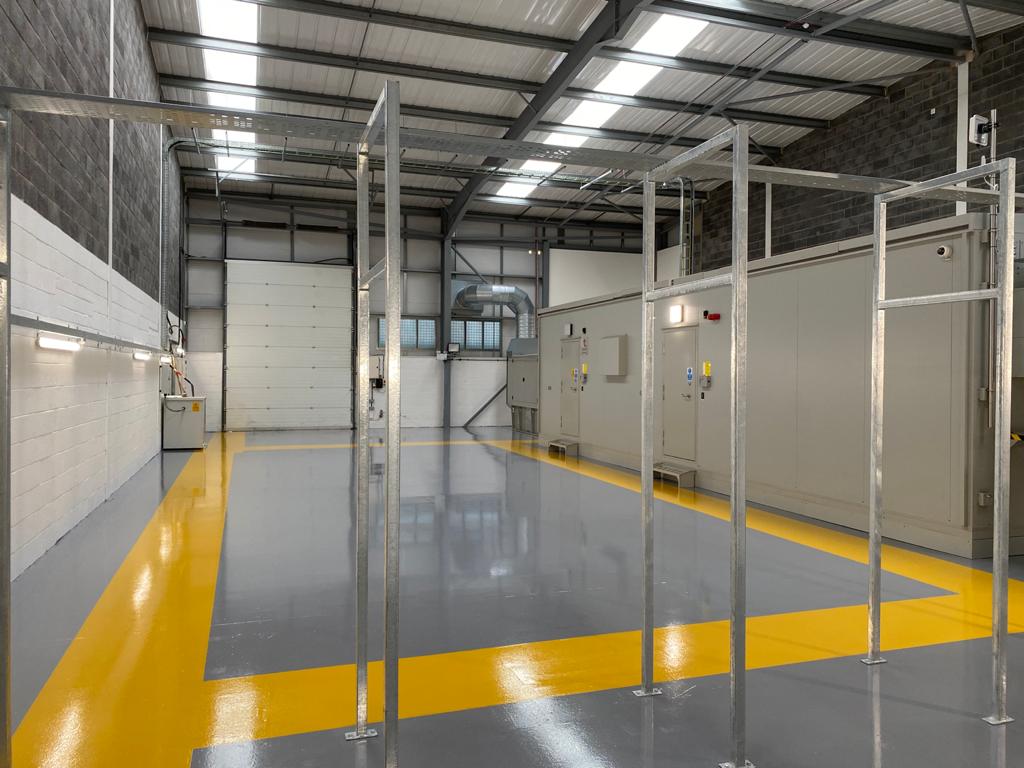
TBS Engineering
Flooring Solutions

SERVICES
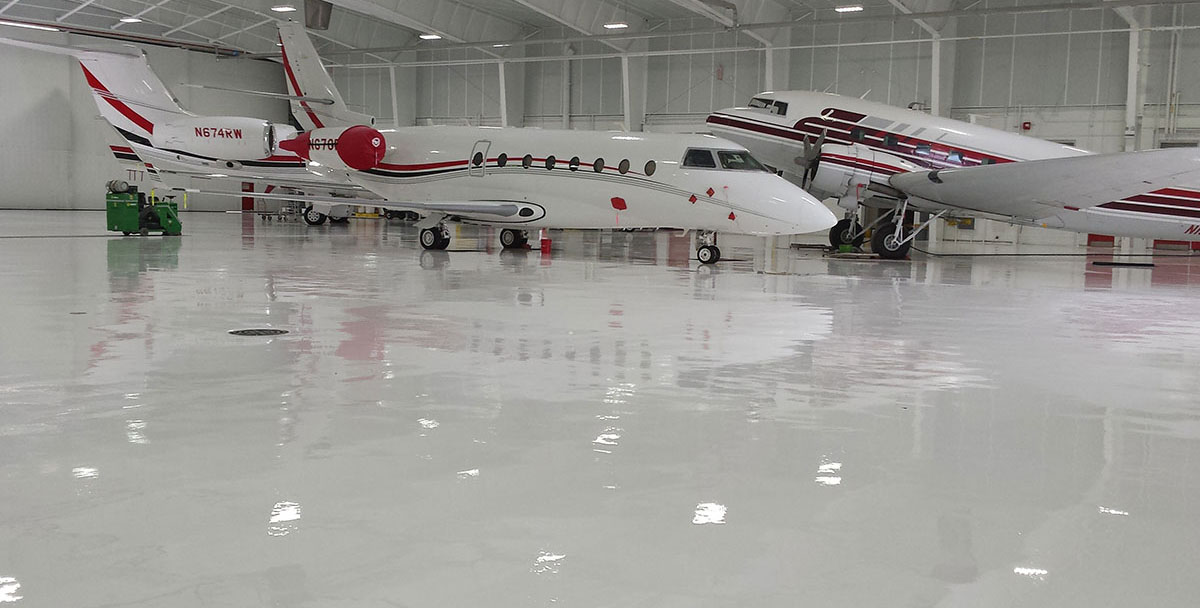
SOLUTIONS
SECTORS
REQUEST A CALLBACK
Contact Us
"*" indicates required fields
For bespoke industry flooring solutions talk to Impact Flooring today.
We offer free no obligation advice and can provide a price range on the first call.


 Impact House, 4 Short Street, Nuneaton, Warwickshire, CV10 8JF
Contact Us
We offer free no obligation advice and can provide a price range
on the first call.