
The UK’s leading resin flooring specialist
From Shop Floor to Showroom: A Retail Flooring Guide
In retail, from the lighting above to the flooring underfoot, your environment influences how customers move, browse, and buy. From the moment a customer steps inside, your store environment begins to speak for your brand. Retail flooring isn’t just a surface to walk on – it’s a critical part of the retail experience. It guides footfall, reduces risk, supports product presentation, and reinforces your brand identity. But not all flooring is built for the pace and pressure of a retail space.
This guide breaks down what to look for (including slip resistance, durability, design, and more) when making an informed decision about upgrading your retail floors.
The Demands of Modern Retail Flooring
Retail environments are some of the most demanding spaces for flooring. Unlike offices or private venues, shops, supermarkets, and shopping malls are public-facing, high-traffic areas. From the moment doors open, there’s a steady flow of heavy foot traffic – staff, customers, delivery trolleys, even wheeled displays moving across the space. Spills and scrapes are inevitable. At the same time, retailers can’t afford to compromise on appearance. An uneven or worn surface sends the wrong message, and the floor is one of the first things customers see.
Whether you’re running a department store, a luxury boutique, or a high-end showroom, the right retail flooring quietly does the hard work of keeping your space looking professional, clean, and welcoming, and – if done right – requires minimal maintenance. Floors in these spaces must balance multiple priorities:
- Safety – particularly in wet weather or areas with increased slip risk.
- Aesthetics – customers expect visually pleasing environments.
- Durability – floors must cope with trolleys, pallet jacks, prams, spills, and constant footfall.
- Minimal disruption – installations and upgrades must happen outside business hours.
- Hygiene – regular cleaning is critical in food retail or hybrid hospitality spaces.
And all of this must be achieved without compromising the brand presentation or the customer experience.
Retail Flooring Essentials: What are the Must-Have Features
What exactly should you look for in a retail floor? There’s more at stake than just what looks good underfoot. The right surface plays a critical role in how your store functions day to day. Here’s a breakdown of the features that matter most when it comes to retail flooring.
Slip-Resistant Flooring for Customer Safety
Slips and falls are one of the most common causes of injury in retail settings and a significant liability concern, whether you’re managing a high-street shop or a department store. Wet entrances, spilt drinks, or water tracked in on rainy days can all increase the risk. Customer safety is a legal and reputational priority in any public-facing space. That’s why anti-slip flooring should be a baseline requirement, which starts with choosing the right surface finish.
Specialist non-slip coatings can be added to resin or epoxy systems to meet key safety standards, such as the HSE’s Pendulum Test Value, which measures slip resistance. With resin flooring systems, you don’t have to compromise on appearance either. Clear coatings allow flooring to remain on-brand while providing the necessary grip to prevent accidents.
Durable Low-Maintenance Flooring That Lasts
Retail flooring doesn’t get a day off. With heavy foot traffic, regular cleaning, and back-and-forth movement of stock, your flooring must be built to last. Floors need to hold up through seasonal rushes, back-to-school waves, Black Friday chaos, and more. Retail managers don’t have time for constant floor upkeep. Cleaning schedules need to be efficient, and repairs shouldn’t mean closing the store. That’s why durable, low-maintenance materials are the backbone of any commercial flooring strategy.
Epoxy and resin flooring systems, for example, are engineered for endurance, with a lifespan of many years when properly maintained. They resist abrasions, staining, impact, moisture ingress, and chemical wear. This kind of performance isn’t just about longevity – it’s seamless, with no joins to collect dirt, and it’s easy to clean.
Aesthetic Appeal: Flooring as a Brand Experience
Retail is visual, and flooring is a powerful part of a customer’s sensory experience. It sets the tone the moment someone walks into a store. In premium retail environments – think jewellery stores, bespoke showrooms, or floor exhibits – the floor does more than support footfall. A clean, visually appealing floor subtly reassures customers that they’re in a safe, trustworthy place. Scuffed, discoloured, or damaged retail flooring has the opposite effect.
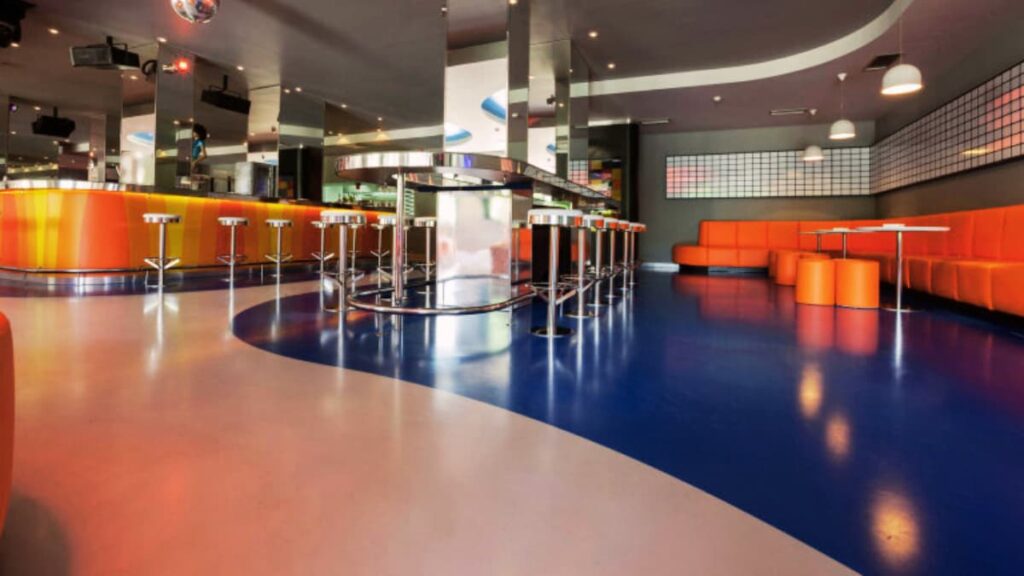
Visual appeal supports a better retail experience. Are you aiming for understated minimalism or bold visual impact? Flooring finishes can reinforce your brand through colour, texture, and even pattern. Impact Flooring regularly works with retail clients to create custom-branded flooring, incorporating brand colours, logo inlays, or wayfinding designs that feel native to the space. From high-gloss finishes to cementitious textures, flooring can meet both aesthetic and practical demands.
Flooring by Retail Venue Type – What Works Best?
Different retail venues call for different flooring specifications. Retail flooring isn’t a one-size-fits-all situation, but certain materials consistently deliver across settings. Here’s what we recommend based on years of hands-on experience.
Department Store Flooring
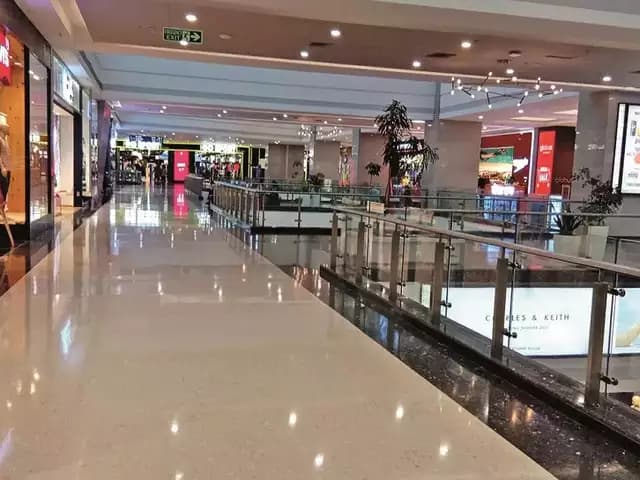
Bigger stores come with bigger demands. Flooring in department stores, supermarkets, and warehouse-style outlets must cover large areas, be tough enough to withstand high traffic, and still look great at the end of the day. High-performance resin flooring systems are designed for scale – it’s easy to clean, resistant to impact and staining, and colour-consistent across thousands of square feet. We also advise on zoning, using contrasting colours or finishes to help with wayfinding and department layout.
Showroom Flooring
In showrooms, flooring takes centre stage. It has to showcase your product – whether it’s luxury cars, electronics, or furniture – while also handling a high volume of stock movement and foot traffic. Super smooth, high-gloss epoxy flooring is visually clean and reflects light beautifully, creating a polished environment that highlights your products rather than distracting from them. It’s also incredibly hard-wearing and durable.
Boutique and High-End Retail Flooring
Luxury retail environments need flooring that reflects exclusivity. High-end fashion, jewellery, and lifestyle brands rely on aesthetics to complement the overall brand experience and product display. Visual merchandising relies on clean, attractive floors that don’t detract from the focus but still enhance the overall experience. These environments thrive on attention to detail, and the flooring is no exception. Scuffed, dated floors undermine even the best-designed shopfit. Resin flooring is a wise choice because it provides a seamless finish that complements premium interiors. It’s available in a variety of colours, is durable, and easy to clean.
Understanding Footfall and Its Impact on Flooring
Footfall patterns can impact how a floor performs, looks and ages over time. Understanding how customer movement affects your flooring is key to choosing the right solution.
Assessing store traffic levels
Different retail environments experience very different levels of foot traffic. A boutique store may see more steady movement, for example, while a supermarket will often handle thousands of customers every day. Larger retail environments, such as home improvement stores, experience even greater impact as a result of customers, equipment and restocking. The higher the footfall, the faster the wear and tear. Floors that are not specifically designed for high-traffic areas can develop cracks, scratches, dull patches and premature discolouration.
Why Choose Impact Flooring for Retail Floors?
At Impact Flooring, we recognise that retail success hinges on delivering a great customer experience, ensuring safety, and optimising logistics. Every project starts with listening: What does your space need to do? What do your customers expect? From there, we recommend retail flooring systems tailored to your environment, foot traffic, maintenance regime, and aesthetic goals.
Our team has worked with retailers of every size and delivered flooring solutions for:
- Supermarkets and grocery stores
- Fast food and restaurant chains
- Boutiques and high-street stores
- Museums and galleries
- Shopping malls and department stores.
We don’t just install floors – we solve problems. We know what works and how to install it without interrupting trading. Downtime isn’t an option in retail, so we plan every project to minimise disruption. We work overnight (or outside trading hours) and use rapid-curing resins to ensure you’re ready for trading by morning.
Comparing Retail Flooring Options
Choosing the right flooring for your retail space is a significant decision, one that can influence the ambience, safety, and maintenance needs of your store. Let’s explore some popular flooring options and see how they stack up against industrial resin flooring:
- Industrial Resin Flooring:
- Strengths: As previously discussed, its durability, versatility in design, safety features, and ease of maintenance make it a top choice for many retailers. Additionally, its seamless finish offers a modern and clean look.
- Drawbacks: Initial installation costs might be higher than some other options; however, its longevity and minimal maintenance costs make up for it in the long run.
- Hardwood:
- Strengths: Offers a timeless and classic appeal, bringing warmth and elegance to any space. It’s also durable when properly maintained.
- Drawbacks: Can be susceptible to scratches, dents, and water damage. Requires regular maintenance like refinishing to maintain its lustre.
- Tiles:
- Strengths: Available in a vast array of designs, colours, and materials. Tiles are easy to clean and are durable.
- Drawbacks: Can become slippery when wet, posing a safety risk. Grout lines can accumulate dirt and may require periodic cleaning or resealing.
- Carpet:
- Strengths: Provides a soft and comfortable surface, reducing noise and offering a cosy setting.
- Drawbacks: Not ideal for high-traffic or spill-prone areas as it can stain easily. It requires regular deep cleaning and might not be as long-lasting as other options.
- Vinyl:
- Strengths: Cost-effective and available in designs that can mimic other materials like wood or stone. It’s also water-resistant and easy to clean.
- Drawbacks: While modern vinyl can be quite durable, cheaper variants might not offer the same longevity. It can also be susceptible to punctures or tears.
- Concrete:
- Strengths: Extremely durable and can be polished or stained for a more refined look. It’s also low-maintenance and can handle high traffic with ease.
- Drawbacks: Hard underfoot, which might not be comfortable for employees standing for extended periods. It can also feel cold or industrial if not correctly finished.
Lifespan and cost efficiency
Long-term value is a major factor in evaluating the best flooring for a retail store. Compared with vinyl, laminate or tile, resin and epoxy typically deliver a longer lifespan, have better resistance to chips, cracks and delamination, a lower replacement frequency, and a better long-term return on investment.
Environmental Impact
In today’s eco-conscious world, many retailers are considering the environmental footprint of their operations. Opt for flooring materials that are sustainable, recyclable, or have a low environmental impact. This consideration not only benefits the planet but can also be a selling point for eco-aware customers.
Eco-Friendly Options
With the growing emphasis on sustainability, many industrial resin flooring manufacturers now offer eco-friendly variants. These options utilise sustainable materials and production methods, allowing retailers to make an environmentally conscious choice without compromising on quality or aesthetics.
Installation Considerations for Retail Environments
Retail stores often operate long hours, and any installation work must minimise disruption to customers and staff.
Minimising store disruption
Resin and epoxy systems are fast-curing by nature. Installation can be completed quickly, reducing your store’s downtime and ensuring a smooth (and speedy) reopening. Retail-friendly installation strategies include scheduling work outside of trading hours, using rapid-cure resin systems, and completing installation in phases for larger stores.
Preparing your store for flooring installation
Proper preparation will result in a faster, cleaner installation process. Before work begins, retailers should relocate stock and display units, protect fixtures that cannot be moved, ensure that there are safe pathways for workers and staff, and communicate timings with all relevant parties. These steps help to create an efficient setup and reduce installation time.
FAQs
What type of flooring is best for retail stores?
Epoxy and polyurethane resin flooring is ideal for most retail environments. It’s hard-wearing, anti-slip, easy to clean, and available in a wide range of coatings, seals, and screeds to suit your branding.
Can retail flooring be customised to match my brand?
Absolutely. We can integrate your brand colours, logo, and various textures into the flooring system. Decorative flakes, gloss finishes, and colour zoning are all options available to you as well.
Is slip-resistant flooring necessary in retail stores?
Yes. It’s essential for customer safety, especially in areas such as walkways or entranceways. Our non-slip coatings are transparent and discreet, supporting safer movement across your store.
How do I comply with health & safety guidelines?
Public-facing spaces have a duty of care, and the HSE guidelines are clear: floors must be suitable, in good condition, free from obstructions, and people should be able to walk without the risk of slipping. The easiest way to comply is to apply an anti-slip resin coating.
How long does it take to install retail flooring?
We specialise in overnight installations using fast-curing resin systems. This means we can often prep, install, and cure the floor fully between your store closing and reopening.
How durable is resin flooring under high foot traffic?
Very. Epoxy and resin flooring can handle continuous use with minimal wear. They resist scratching, impact, and staining – ideal for busy retail spaces.
Can you install flooring in food preparation areas within retail stores?
Yes. We regularly install hygienic, slip-resistant flooring systems in the back-of-house areas of cafés, bakeries, restaurants, and food courts.
Ready to Upgrade Your Retail Flooring?
Retail floors work hard. Constant footfall, heavy equipment, and frequent cleaning mean you need functional flooring that’s resistant to wear; something that’s durable, easy to maintain, and visually appealing. Resin flooring is ideal for retail settings because it’s quick to install, tough under pressure, and can be customised to fit your store’s branding. Want to find the right flooring solution to suit your operational needs and retail space? Contact us today to learn more about our resin flooring options and how they can enhance your retail space.