The UK’s leading resin flooring specialist
The Importance Of Sealing Your Floor
The Importance Of Sealing Your Floor
If you are looking for brand-new industrial flooring, you have probably considered whether or not you’ll need your flooring sealed. At Impact Flooring, we encourage sealing your floor. Sealing your floor has a number of benefits, such as boosting protection and professionalism. If you need a floor seal, we’re here to help.
The Benefits of Sealing Your Floor
It Provides Protection
In an industrial setting, the floor is constantly under threat from harsh chemicals and heavy machinery. While it’s challenging for any industrial flooring solution to withstand these daily onslaughts, sealing your floor can make a significant difference. A floor seal acts as an extra layer of defence, safeguarding your floor from potential damage.
It Creates a Professional Finish
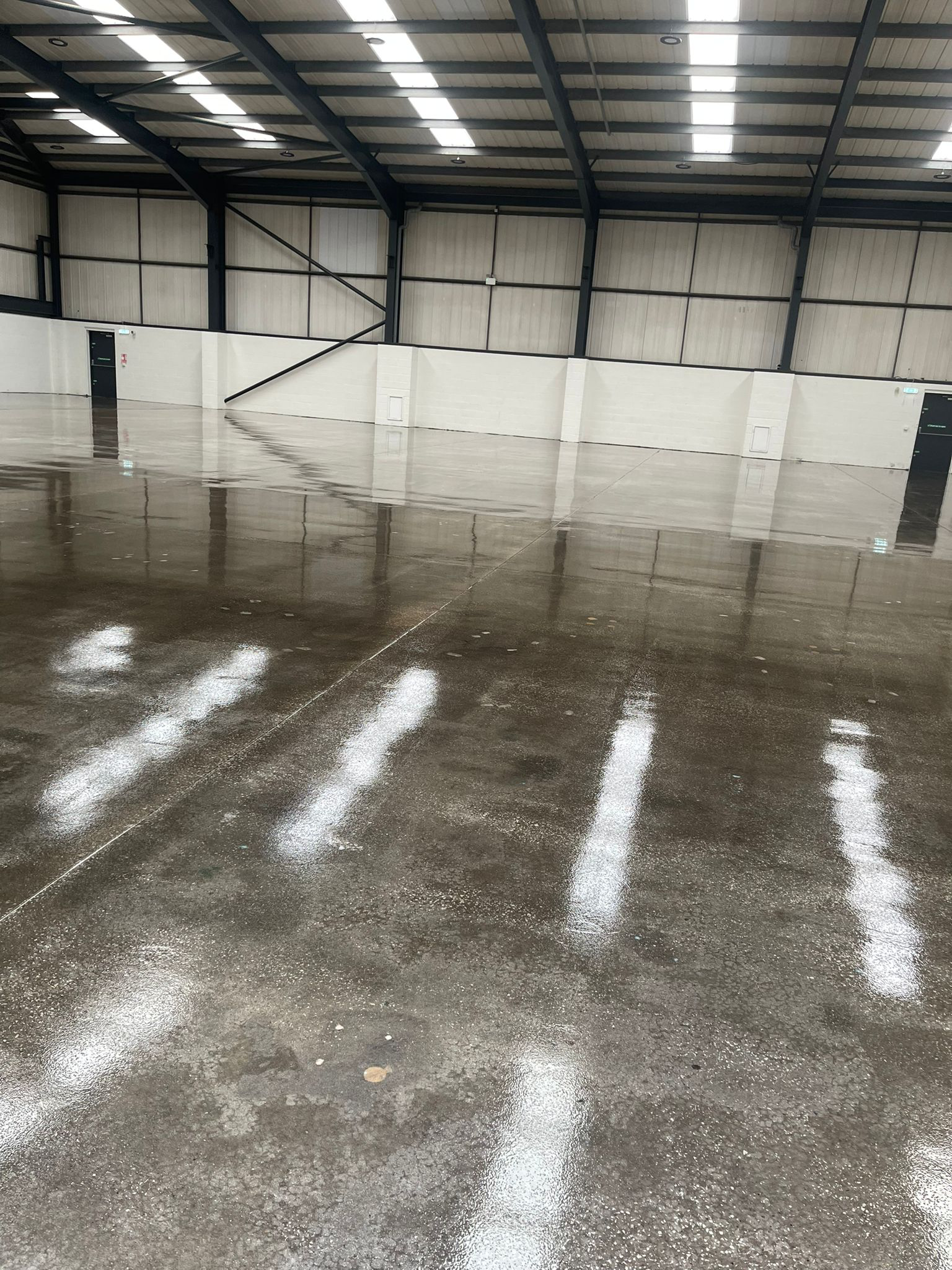
Many people make the mistake of assuming that industrial flooring doesn’t need to look a certain way, as it’s rarely seen by the public. However, this is wrong. At one point or another, you are bound to have visitors, and they will need to be impressed. A floor seal creates a professional finish and improves the appearance of any industrial workplace.
It Strengthens the Floor
An industrial floor must be strong and durable, as it undergoes a lot of use. Most industrial floors have to deal with heavy machinery, vehicles, and foot traffic. These can all cause wear and tear and more severe damage. With a floor seal, this is much less likely. A floor seal creates a strong surface that can better survive an industrial environment.
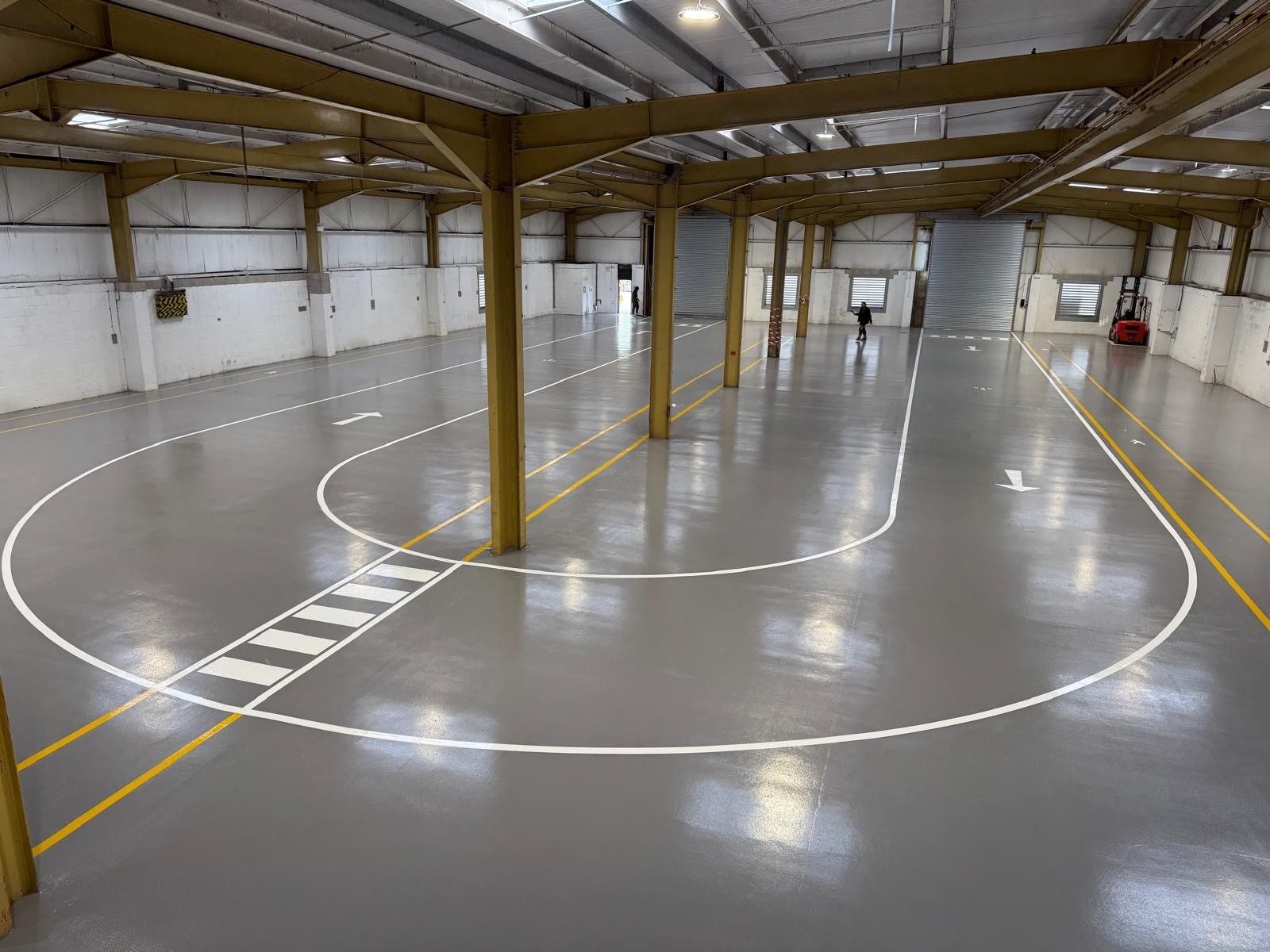
What is floor sealer?
Floor sealer is a highly durable coating that’s made from polymer. When applied, it creates a protective film that blocks pores which would otherwise have become clogged with dirt. Sealers can be used instead of floor finish or alongside it if you want to achieve a high shine.
Why Are Floor Seals Used?
There are many different reasons to have a floor seal added to industrial flooring, but the most popular is that a seal covers any possible pores that can be found within all types of flooring. These pores can become blocked, clogged with dirt and they tend to harbour bacteria and germs. However, when the floor is sealed, this is prevented. As a seal gives the floor a smooth and secure finish, it is a lot easier to keep it clean and well maintained.
What type of floors are sealers used on?
Sealers were initially meant for use on vinyl tile floors. However, it’s important to note that not all flooring types require sealers. For instance, non-porous flooring options such as polyurethane, epoxy, and resin flooring, offered by specialists like Impact Flooring, are designed to be durable and easy to maintain without the need for additional sealing.
These types of flooring are ideal for industrial and commercial settings, providing a clean, bright, and aesthetically pleasing environment that is both hard-wearing and easy to clean.
For porous flooring types, however, applying a sealer can be crucial to protect against stains and damage. It’s best to seek professional advice to determine the suitability of sealers for your specific flooring type.
What are the benefits of sealers?
The polymer molecules used for floor sealer are larger than those used for the floor finish. This means they fill porous surfaces faster and form a much stronger protective film.
Although sealer costs more than finish, you only use half as much, so if you just need one of these products, then sealer is the more economical.
When pores are blocked with sealer, the floor is easier to clean, which means it’s easier to maintain. The polymer prevents dirt from reaching the tiles and, therefore, minimises the number of times you have to strip the floor coating, saving both time and money.
Sealers can also make floors safer to walk on because they create improved traction.
Should You Seal Your Warehouse Floor?
You may have noticed that we offer a variety of warehouse floors, such as floor seals, but many of our customers are left baffled as to whether or not it’s an investment worth making. At Impact Flooring, we’re big proponents of the benefits that can be found by having an industrial floor sealed and we often recommend it to our customers. However, in order to make the correct decision for your business, it’s important to understand what a floor seal is and what it does.
When to avoid using floor sealer
If you plan to strip your floor at least once a year, then it may not be wise to use a sealer. This is because it tends to be harder to remove than finish, which will make stripping a more arduous task.
Does the floor sealer have a sheen?
The larger polymer molecules do not reflect light as well as the smaller molecules, so if you use a sealer rather than a finish, your floor will not shine.
A burnisher can sometimes be combined with a sealer to aid reflection, or you could use a sealer/finish hybrid product. However, if a high shine is a must for your floor, then you should put a finish over the sealer.
Floor Seals at Impact Flooring
At Impact Flooring, we offer a wide range of industrial flooring solutions and services. This includes improving many of our industrial floors with floor seals. It doesn’t matter what industry you work in or the type of industrial flooring you have.
There’s a high chance that a floor seal will be a huge benefit. We are happy to offer floor sealing as part of the installation process, but we also offer it as an entirely separate service. This means that if you already have a relatively new industrial flooring solution, you can still count on us to improve it with a seal. To find out more about floor seals or any of our other services, get in touch.
Contact Impact Flooring at 0247 648 7040 or via the online contact form.